Table of Content
- 1 What Are the Most Common Home Safety Hazards for Seniors?
- 2 How Can You Reduce the Risk of Falls in the Home?
- 3 How Should the Home Be Organized to Support In-Home Care?
- 4 What Home Security Measures Can Keep Seniors Safe?
- 5 How Can Caregivers and Family Members Communicate Effectively about Home Safety?
- 6 Frequently Asked Questions
Home safety for seniors receiving in-home care involves reducing fall risks, securing the home environment, and ensuring clear communication among caregivers and family members—simple changes that can significantly enhance a senior loved one’s safety and quality of life.
Making a home safer for an older adult doesn’t require a full renovation. With the right precautions in place, seniors can receive in-home care comfortably and confidently.
What Are the Most Common Home Safety Hazards for Seniors?
Falls are the leading cause of injury among adults aged 65 and older, according to the Centers for Disease Control and Prevention (CDC). The most common hazards include:
- Loose rugs or slippery floors
- Poor lighting in hallways and stairways
- Cluttered walkways and tight spaces
- Unsecured electrical cords
- Lack of grab bars in bathrooms
How Can You Reduce the Risk of Falls in the Home?
Preventing falls starts with identifying and eliminating tripping hazards throughout the home:
- Remove loose rugs or secure them with nonslip backing.
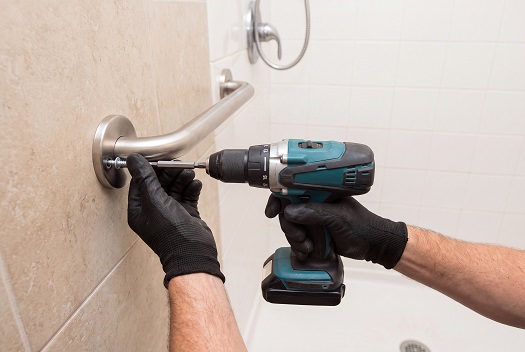
- Install grab bars near the toilet, shower, and bathtub.
- Add nonslip mats to bathroom floors and the inside of the tub.
- Ensure all staircases have sturdy, easy-to-grip handrails.
- Use nightlights in bedrooms, hallways, and bathrooms for nighttime navigation.
One of the most challenging tasks of helping an elderly relative age in place safely and comfortably is researching agencies that provide the best Clearwater home care. You can turn to Home Care Assistance for reliable, high-quality in-home care for aging adults. We offer 24-hour live-in care for seniors who require extensive assistance, and we also offer respite care for family caregivers who need a break from their caregiving duties.
How Should the Home Be Organized to Support In-Home Care?
Caregivers from Home Care Assistance understand how a well-organized home makes it easier for both seniors and caregivers to move safely and efficiently:
- Keep frequently used items at waist height to avoid reaching or bending.
- Clear wide, unobstructed pathways between rooms.
- Store emergency contacts, medications, and care instructions in a clearly labeled, accessible location.
- Ensure your loved one’s bed is at an appropriate height for easy entry and exit.
What Home Security Measures Can Keep Seniors Safe?
Beyond fall prevention, home security plays an important role in overall safety:
- Install smoke detectors and carbon monoxide alarms on every floor, and test them monthly.
- Use a medical alert system or wearable emergency button so your loved one can call for help quickly.
- Ensure door locks are easy to operate in case of emergency.
- Consider a video doorbell to help your loved one identify visitors safely.
How Can Caregivers and Family Members Communicate Effectively about Home Safety?
At Home Care Assistance, we encourage clear, consistent communication between everyone involved in your loved one’s care to reduce the risk of oversights:
- Hold regular check-ins among family members and in-home caregivers to discuss any new concerns.
- Keep a shared written log of daily observations, incidents, or changes in your loved one’s condition
- Create a simple emergency plan that all caregivers and family members are familiar with.
- Inform the in-home caregiver of any home modifications made so he or she can adjust the approach accordingly.
For many seniors in west-central Florida, Clearwater 24-hour home care is an essential component of aging in place safely and comfortably. However, it’s important for them to have caregivers they can trust and rely on. At Home Care Assistance, we extensively screen all of our 24-hour caregivers and only hire those who have experience in the senior home care industry. Our strict requirements ensure seniors can remain in the comfort of home with a reduced risk of injury or serious illness.
Safety is an even greater concern for aging adults living with Alzheimer’s or another form of dementia. Caring for seniors with dementia can be challenging for family caregivers. Luckily, there is dementia home care Clearwater families can rely on. Professional dementia caregivers help seniors with dementia stay safe and comfortable at home by preventing wandering, providing cognitive stimulation, and assisting with household chores. For compassionate, reliable in-home care, trust the experienced professionals from Home Care Assistance. Reach out to one of our dedicated Care Managers today to learn about the high quality of our in-home care services.
Frequently Asked Questions
What’s the first step to making a home safer for a senior receiving in-home care?
+
Home Care Assistance recommends starting with a room-by-room walk-through to identify potential hazards like poor lighting, loose rugs, or cluttered pathways, then addressing the most critical risks first.
Are there any devices that can increase home safety for seniors?
+
Yes. Medical alert systems, motion-sensor nightlights, video doorbells, and grab bars are among the most effective tools for enhancing home safety for seniors.
How often should home safety be reassessed for a senior receiving in-home care?
+
Home safety should be reassessed at least every six months or whenever there’s a significant change in your loved one’s mobility, vision, or overall condition.
Who is responsible for home safety when a senior has an in-home caregiver?
+
Home safety is a shared responsibility among the senior, the family members, and the in-home caregiver—all parties should stay informed and proactive.
Is it expensive to make a home safer for a senior?
+
Many home safety improvements, such as removing clutter and securing rugs, are free. Others, like grab bars and nightlights, are low-cost and widely available at most hardware stores.