Table of Content
- 1 What Does Stroke Rehabilitation Actually Involve?
- 2 How Long Does Stroke Recovery Typically Take?
- 3 What Role Does Long-Term In-Home Care Play in Stroke Recovery?
- 4 What Are the Most Common Challenges Stroke Survivors Face at Home?
- 5 How Can Families Best Support Stroke Survivors at Home?
- 6 Frequently Asked Questions
Stroke rehabilitation is a structured recovery process that helps survivors regain lost skills and independence, and long-term in-home care plays a critical role in supporting that recovery by providing consistent personalized assistance in a familiar environment.
Recovering from a stroke is a journey that looks different for every survivor. With the right rehabilitation plan and in-home care support, many people are able to rebuild their independence and quality of life over time.
What Does Stroke Rehabilitation Actually Involve?
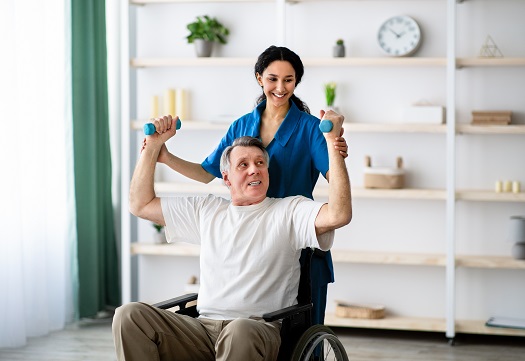
Stroke rehabilitation focuses on helping survivors relearn skills that were affected by the stroke, such as speaking, moving, and performing daily tasks. It typically involves a team of specialists working together, including:
- Physical therapists to increase mobility and strength
- Occupational therapists to help with daily living activities
- Speech-language pathologists to address communication and swallowing difficulties
- Neuropsychologists to support cognitive recovery
How Long Does Stroke Recovery Typically Take?
Recovery timelines vary widely depending on the severity of the stroke and the areas of the brain affected. Most neurological recovery occurs within the first three to six months, but meaningful progress can continue for years with consistent effort and support.
What Role Does Long-Term In-Home Care Play in Stroke Recovery?
Long-term in-home care provides stroke survivors with the ongoing support they need after formal rehabilitation ends. Home Care Assistance offers specialized assistance tailored to each survivor’s recovery stage, adapting support as needs evolve. Key benefits include:
- Personalized assistance with bathing, dressing, and meal preparation
- A familiar and comfortable environment, which can reduce stress and support healing
- Continuity of care from caregivers who understand the survivor’s unique needs
- Help with medication reminders and appointment scheduling
- Emotional companionship, which can reduce the risk of post-stroke depression
Recovering from a stroke, managing the symptoms of Alzheimer’s, and a variety of other health-related situations can make it difficult for a senior to continue living at home without someone there to help. Clearwater 24-hour home care professionals are trained to help seniors who need 24/7 assistance. With the help of a 24-hour caregiver, your elderly loved one can maintain a higher quality of life while aging in place.
What Are the Most Common Challenges Stroke Survivors Face at Home?
Returning home after a stroke often presents practical and emotional challenges, such as:
- Mobility limitations, including difficulty navigating stairs or tight spaces
- Communication barriers, which can lead to frustration and social isolation
- Cognitive changes, such as memory loss or difficulty concentrating
- Caregiver burnout, particularly when family members take on the primary caregiving role without adequate support
Home Care Assistance offers specialized assistance tailored to each of these challenges, helping families navigate mobility, communication, and cognitive changes without carrying the full weight alone.
How Can Families Best Support Stroke Survivors at Home?
Family involvement is one of the strongest predictors of positive stroke recovery outcomes. Families can make a meaningful difference by:
- Learning about survivors’ specific impairments and how to respond effectively
- Attending therapy sessions when possible to reinforce exercises at home
- Adapting the home environment with safety features like grab bars, ramps, and nonslip mats
- Seeking respite care to avoid caregiver burnout
- Connecting with local or online stroke support groups for guidance and community
Home Care Assistance offers specialized assistance tailored to each family’s caregiving capacity, stepping in to provide respite and reinforce therapy goals between sessions.
Family caregivers need to care for their own wellbeing. If you’re caring for an aging loved one and are feeling overwhelmed, consider hiring a professional caregiver to provide respite or overnight home care Clearwater families can depend on. Families who want to prevent burnout can turn to Home Care Assistance. One of our professional caregivers can assist your loved one at home while you take a nap, go to work, run errands, or go on vacation.
One of the most challenging tasks of helping an elderly relative age in place safely and comfortably is researching agencies that provide the best Clearwater homecare. You can turn to Home Care Assistance for reliable, high-quality in-home care for aging adults. We offer 24-hour live-in care for seniors who require extensive assistance, and we also offer respite care for family caregivers who need a break from their caregiving duties. Call one of our friendly Care Managers today to learn more about our customized care plans.
Frequently Asked Questions
What’s the difference between acute rehabilitation and long-term in-home care?
+
Acute rehabilitation is an intensive short-term program that typically begins in a hospital or rehabilitation facility shortly after a stroke. Long-term in-home care provides ongoing day-to-day support after the survivor returns home.
Can stroke survivors continue to progress years after their strokes?
+
Yes, stroke survivors can continue to make progress long after the initial recovery period. Neuroplasticity—the brain’s ability to form new connections—means consistent therapy and stimulation can support progress over time.
How is an in-home care plan developed for a stroke survivor?
+
An in-home care plan is typically developed in collaboration with the survivor’s rehabilitation team, the individual, and family. It outlines specific care needs, daily routines, and goals tailored to the survivor’s condition.
What home modifications are recommended for stroke survivors?
+
Common modifications include installing grab bars in bathrooms, removing trip hazards like loose rugs, widening doorways for wheelchair access, and placing frequently used items within easy reach.
How do caregivers handle stroke survivors who are resistant to care?
+
Resistance often stems from frustration, fear, or cognitive changes related to the stroke. Patient, consistent communication—along with involving the survivor in decision-making whenever possible—can build trust and reduce resistance over time.